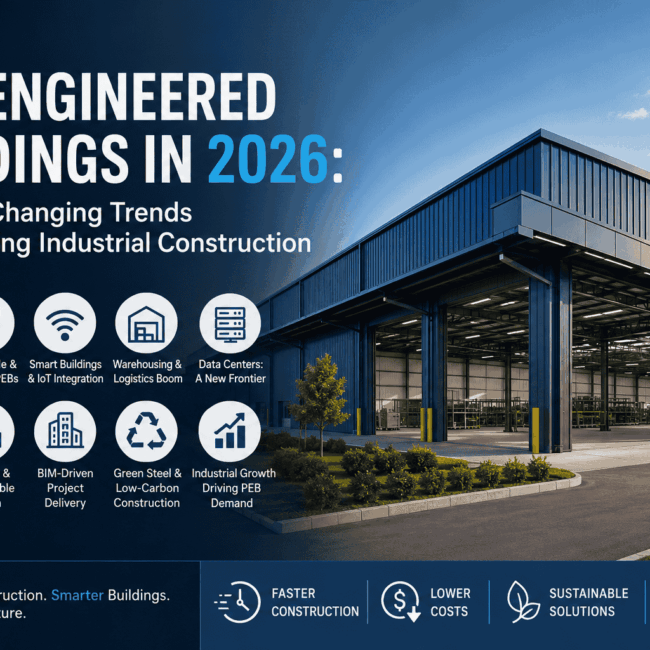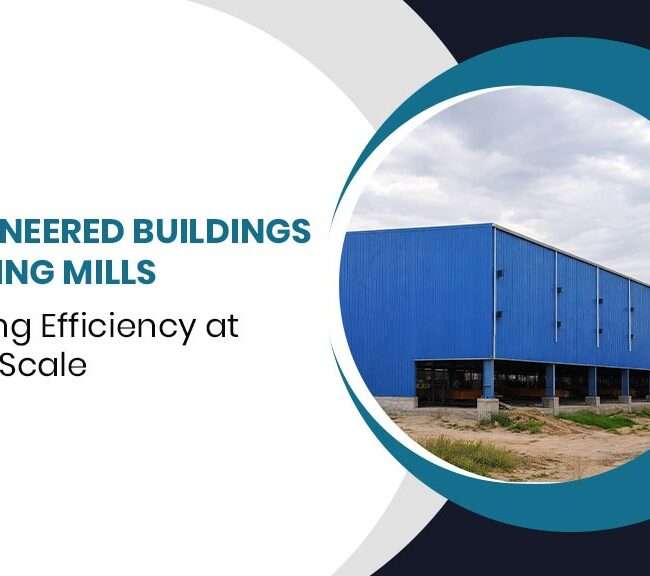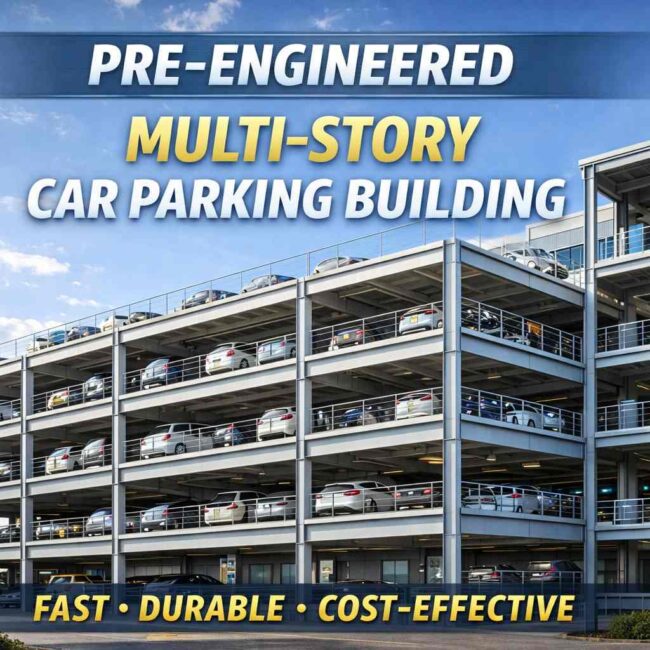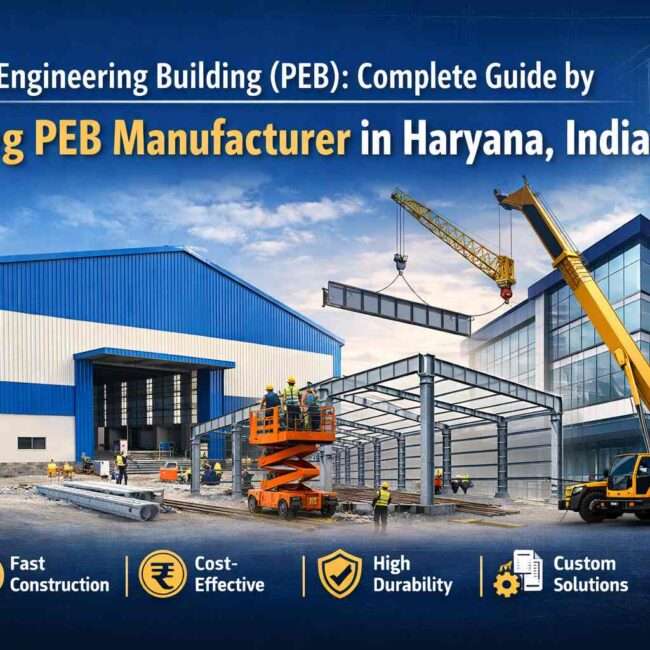

Pre Engineered Buildings (PEB) are rapidly transforming the global construction industry. Known for their strength, flexibility, cost efficiency, and sustainability, pre engineered buildings are no longer limited to warehouses or factories. Today, they are widely used for commercial buildings, industrial units, showrooms, airports, schools, and even residential projects.
As businesses and governments look for faster, smarter, and more sustainable construction solutions, pre engineered building systems are proving to be a future-ready investment. In this blog, we’ll explore how PEB structures deliver long-term value and why they pay off in the future.

What Are Pre Engineered Buildings?
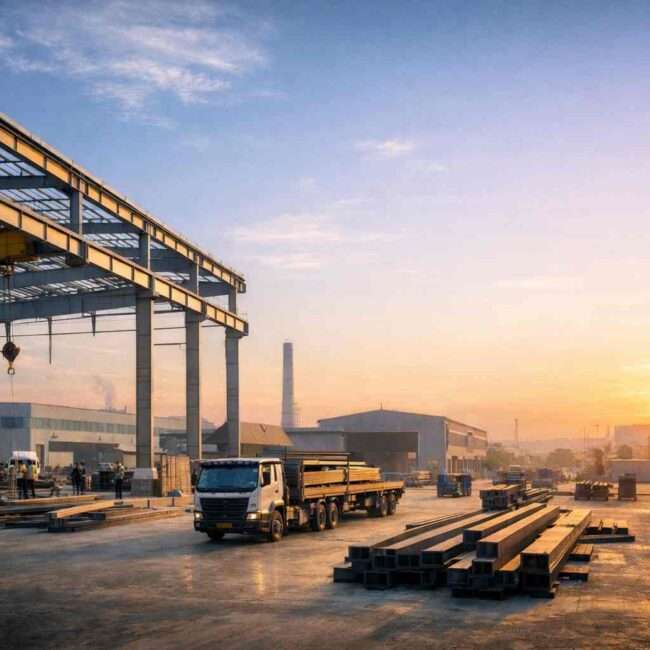
A pre engineered building is a steel structure designed, fabricated, and manufactured in a factory, then transported to the site for quick assembly. These buildings are engineered to exact specifications, ensuring optimal use of steel, reduced waste, and superior performance.
Because of this controlled manufacturing process, pre engineered buildings offer unmatched quality, speed, and cost benefits compared to conventional construction.
1. Long-Term Cost Savings with Pre Engineered Buildings
One of the biggest advantages of pre engineered buildings is their long-term cost efficiency.
How PEB structures reduce future expenses:
- Minimal maintenance due to corrosion-resistant steel
- No issues like termites, rot, or shrinkage
- Longer lifespan compared to traditional construction
- Reduced repair and replacement costs
Although the initial investment in a pre engineered steel building may seem similar to conventional structures, the lifecycle cost is significantly lower, making PEB an economically smart choice.
2. Faster Construction and Quicker Return on Investment (ROI)
Speed is a major factor in construction profitability, and pre engineered buildings excel in fast project execution.
Benefits of faster PEB construction:
- Factory fabrication runs parallel to site preparation
- Faster installation and erection
- Earlier project completion
- Faster business operations and rental income
This speed results in quicker ROI, giving pre engineered buildings a clear financial advantage in the future.
3. Energy Efficiency and Lower Operating Costs
Modern pre engineered building systems are designed to support energy-efficient solutions.
Energy-saving features include:
- High-performance insulation panels
- Natural daylighting options
- Reduced air leakage
- Compatibility with solar power systems
As energy costs continue to rise, energy-efficient pre engineered buildings significantly reduce long-term utility expenses, increasing their future value.
4. Sustainable and Environment-Friendly Construction
Sustainability is a key driver of future construction trends, and pre engineered buildings are inherently eco-friendly.
Why PEB is sustainable:
- Steel is 100% recyclable
- Minimal material wastage
- Reduced site pollution
- Lower carbon footprint over the building lifecycle
Green construction regulations and ESG goals will further boost the demand and value of pre engineered steel buildings in the coming years.
5. Flexibility and Future Expansion
Business needs change over time, and pre engineered buildings offer unmatched flexibility.
PEB structures can be easily:
- Expanded horizontally or vertically
- Modified internally
- Relocated to a new site
- Upgraded with new technology
This adaptability ensures that pre engineered buildings remain relevant and functional in the future, protecting your investment.
6. High Strength and Disaster Resistance
Pre engineered steel buildings are designed to withstand extreme weather conditions and seismic activity.
They offer superior resistance to:
- Earthquakes
- High wind loads
- Heavy rain and storms
- Fire hazards
This durability reduces insurance costs, repair risks, and downtime — a critical factor for long-term financial security.
7. Higher Property Value and Resale Potential
As awareness of pre engineered buildings grows, these structures are gaining strong market acceptance.
Future market advantages include:
- Higher resale value
- Better rental demand
- Attractive to industrial and commercial investors
- Compliance with modern building standards
Durable, energy-efficient, and sustainable PEB structures will continue to command higher value in future real estate markets.
8. Smart Building Integration
The future belongs to smart infrastructure, and pre engineered buildings are ideal for smart technology integration.
They easily support:
- Building automation systems
- Smart lighting and HVAC
- IoT-based monitoring
- AI-driven energy management
This ensures that pre engineered buildings stay technologically advanced and competitive for decades.
Future of Pre Engineered Buildings
With increasing urbanization, rising construction costs, and stricter sustainability norms, pre engineered buildings are becoming the preferred construction solution worldwide.
Industries such as manufacturing, logistics, retail, healthcare, and education are rapidly adopting pre engineered building solutions for their efficiency and long-term benefits.
Why Pre Engineered Buildings Are a Future-Proof Investment
Investing in pre engineered buildings is not just about faster construction — it’s about long-term profitability, sustainability, and adaptability.
In the future, pre engineered buildings pay off through:
- Lower construction and maintenance costs
- Faster ROI
- Energy efficiency
- Sustainable construction
- Flexibility for expansion
- Higher property value
As construction moves toward smarter, greener, and faster solutions, pre engineered steel buildings stand out as one of the most reliable and profitable investments for the future.