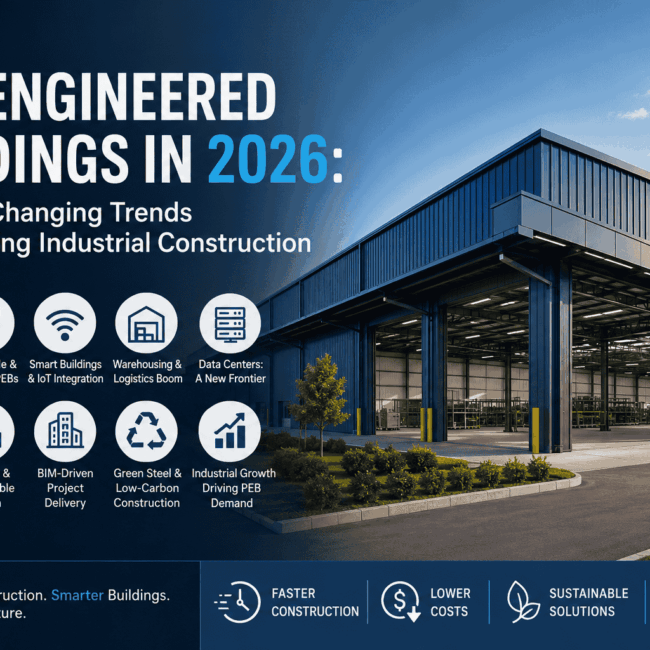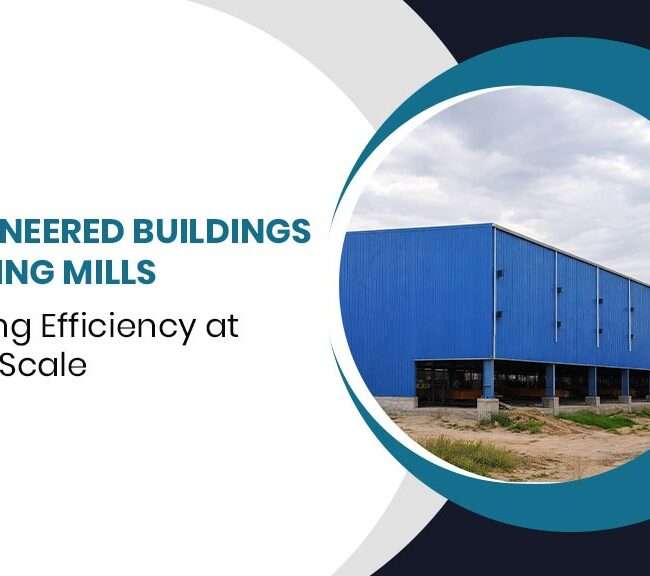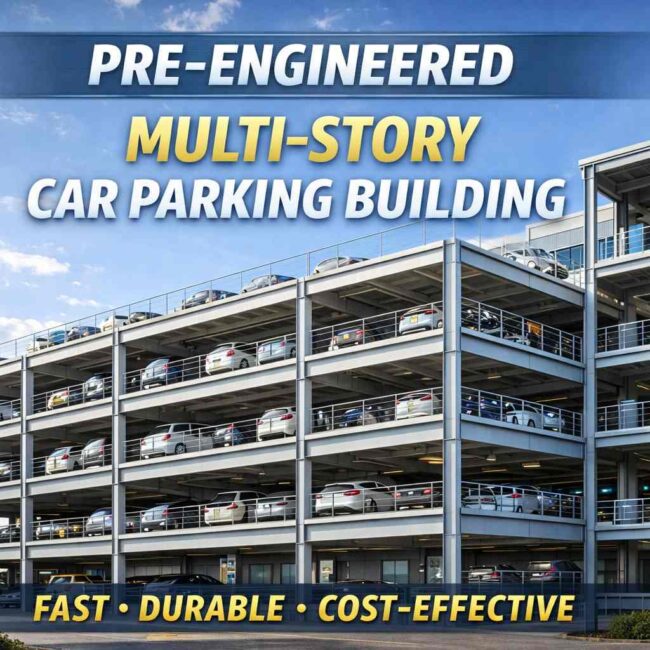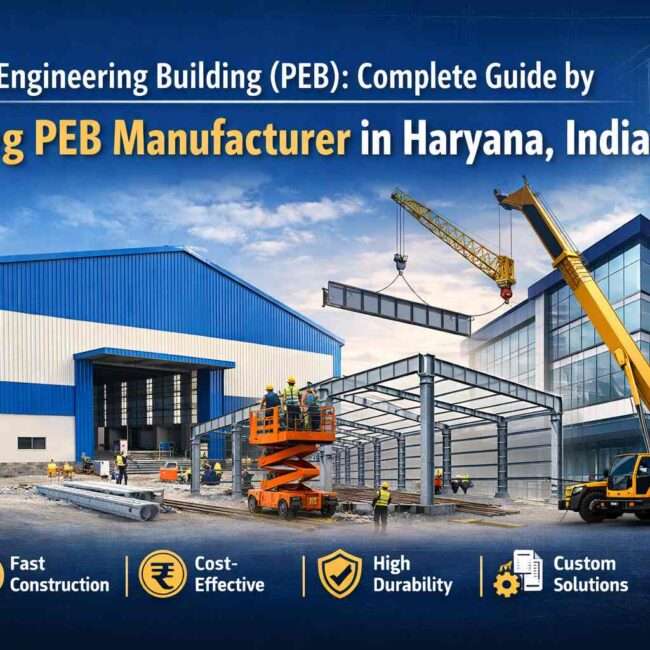

In today’s fast-moving industrial world, flexibility and efficiency are everything. Whether you’re setting up a warehouse, expanding a manufacturing facility, or developing a distribution hub, pre-engineered buildings (PEBs) offer a smarter, faster, and more economical solution.
These modern steel structures are reshaping how businesses think about construction — combining precision engineering, durability, and design flexibility into one smart package.
What Are Pre-Engineered Buildings?
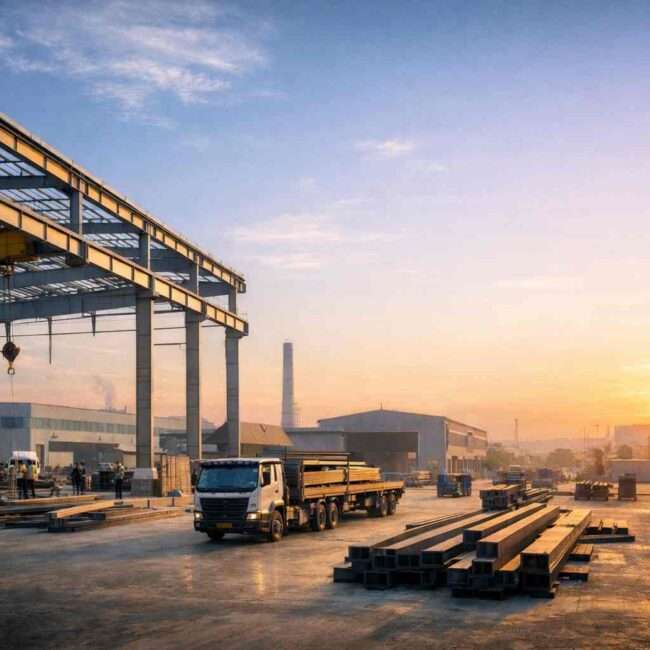
Pre-engineered buildings are steel structures designed and fabricated off-site, then assembled quickly at the construction site. Every component — from beams to columns and panels — is manufactured to exact specifications, reducing waste and labor costs.
Because they’re modular, PEBs can easily adapt to a wide range of industrial uses, including warehouses, factories, workshops, logistics centers, and even office spaces.
Smart Uses of Pre-Engineered Buildings
1. Warehouses and Storage Facilities
PEBs are ideal for large, open spaces without internal columns, making them perfect for warehousing and logistics. Their clear span design allows for better inventory management, forklift mobility, and space optimization.
2. Manufacturing Units and Factories
For factories and industrial plants, PEBs offer flexible layouts that can support heavy equipment and overhead cranes. Their quick assembly minimizes downtime, allowing manufacturers to start production faster.
3. Cold Storage and Food Processing Units
PEBs can be insulated and temperature-controlled to meet the strict requirements of cold storage and food processing industries, providing energy efficiency and hygiene compliance.
4. Agricultural and Farm Buildings
Farmers are increasingly choosing steel PEBs for barns, equipment storage, and processing sheds. These structures withstand harsh weather and require minimal maintenance.
5. Commercial and Office Spaces
With customizable design options, PEBs are now used for office buildings, showrooms, and retail outlets, offering a modern industrial aesthetic at lower costs.
Key Advantages of Pre-Engineered Buildings
✅ Cost-Effective Construction: Lower material waste and reduced labor costs.
✅ Faster Project Completion: Pre-fabrication allows projects to be completed up to 50% faster.
✅ Durability & Strength: High-quality steel resists corrosion, fire, and extreme weather.
✅ Eco-Friendly Design: Recyclable materials and energy-efficient insulation.
✅ Scalability: Easy to expand or modify as business needs grow.
Why Businesses Are Switching to PEBs
As industries focus on speed, efficiency, and sustainability, PEBs have become the go-to choice for new industrial developments. They reduce project timelines, ensure long-term savings, and provide unmatched flexibility — perfect for growing enterprises.
Companies across manufacturing, logistics, agriculture, and e-commerce are using PEBs to future-proof their operations.
Summary
From warehouses to factories, pre-engineered buildings represent the future of industrial construction. Their speed, strength, and adaptability make them the smart choice for any business looking to expand efficiently.
If you’re planning your next industrial project, consider the benefits of a pre-engineered buildings — built to perform, built to last.