
In the contemporary industrial ecosystem, where precision, speed, and cost optimization define success, infrastructure plays a pivotal role in determining operational efficiency. Rolling mills—core to the metal processing industry—demand highly specialized environments capable of supporting heavy machinery, dynamic loads, and extreme thermal conditions. In this context, Pre-Engineered Buildings (PEBs) have emerged as a sophisticated and strategically superior construction solution.
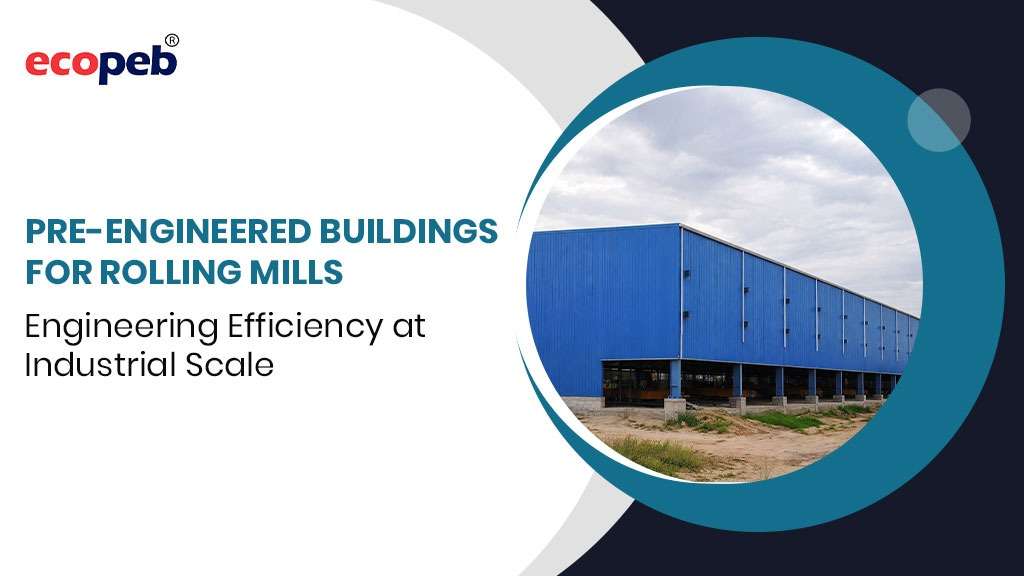
Redefining Industrial Construction
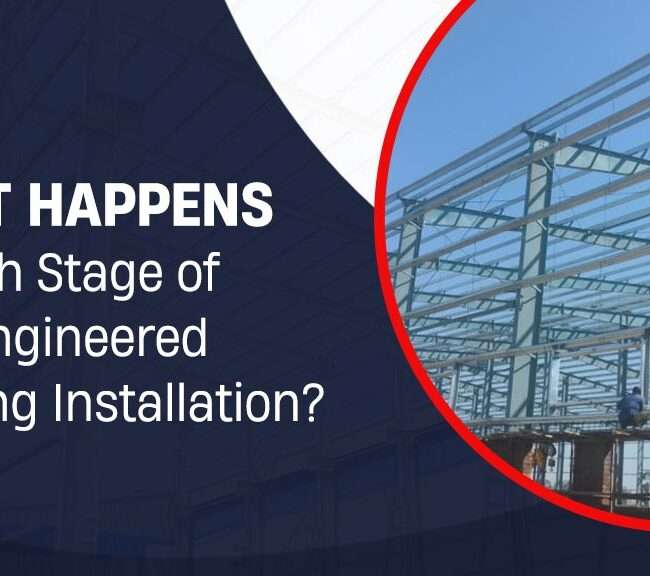
Pre Engineered Buildings represent a paradigm shift from conventional construction methodologies. Designed using advanced engineering software and fabricated in controlled factory environments, PEB components are precision-manufactured and assembled on-site with remarkable efficiency. This approach not only ensures structural integrity but also significantly enhances project timelines and cost predictability.
For rolling mills, where operational readiness directly impacts revenue generation, this speed of execution offers a compelling advantage.
Structural Demands of Rolling Mills
Rolling mills operate under intense conditions—mechanical, thermal, and operational. The infrastructure must seamlessly accommodate:
- Heavy-duty rolling equipment and auxiliary machinery
- Overhead cranes with substantial dynamic loads
- High-temperature processes and thermal expansion factors
- Continuous material flow requiring unobstructed layouts
- Ventilation systems to manage heat and airborne particulates
Traditional construction often falls short in delivering this level of performance with efficiency. PEBs, however, are engineered specifically to address these challenges.
Strategic Advantages of PEBs in Rolling Mill Applications
Accelerated Project Delivery
Time-to-operation is a critical metric in industrial projects. PEB systems, with their prefabricated components and streamlined assembly, can reduce construction timelines by up to 30–50% compared to conventional methods. This enables faster commissioning and earlier return on investment.
Optimized Cost Structure
PEBs are designed with material efficiency at their core. By minimizing steel consumption through optimized structural design and reducing on-site labor requirements, they offer a highly competitive cost advantage without compromising quality.
Superior Structural Performance
Engineered for high load-bearing capacity and resilience, PEBs can withstand the intense vibrations and stresses generated within rolling mill environments. Advanced steel grades and precision fabrication ensure long-term durability and reduced maintenance costs.
Column-Free Spans for Operational Fluidity
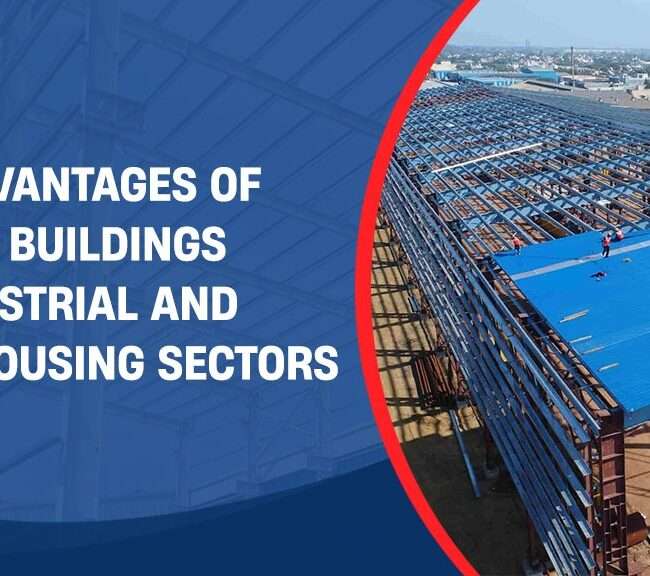
One of the defining features of PEBs is their ability to deliver large clear spans. This is particularly critical in rolling mills, where uninterrupted space enhances workflow, equipment placement, and material handling efficiency.
Custom Engineering and Scalability
Every rolling mill has unique operational requirements. PEBs offer extensive customization—integrating crane systems, mezzanine floors, insulation solutions, and ventilation designs. Moreover, they are inherently scalable, allowing for seamless future expansion with minimal disruption.
Energy Efficiency and Environmental Responsibility
Modern PEB designs incorporate energy-efficient features such as natural daylighting, insulated panels, and optimized ventilation systems. These not only reduce operational energy costs but also align with global sustainability goals.
Critical Design Considerations
To fully leverage the benefits of PEBs in rolling mills, careful attention must be given to key engineering parameters:
- Crane Load Integration: Structural systems must be designed to handle both static and dynamic crane loads with precision.
- Thermal Management: High-performance insulation and heat-resistant materials are essential to mitigate thermal stress.
- Ventilation Engineering: Efficient airflow design is crucial for maintaining safe and productive working conditions.
- Foundation Compatibility: Robust foundation systems must support both structural loads and heavy industrial equipment.
- Corrosion Protection Systems: Protective coatings and treatments extend the lifespan of the structure in harsh industrial environments.
Driving the Future of Industrial Infrastructure
As industries increasingly prioritize agility, sustainability, and performance, Pre-Engineered Buildings are setting new benchmarks in industrial construction. In rolling mill applications, they offer a rare combination of engineering precision, economic efficiency, and operational excellence.
The transition to PEB-based infrastructure is not merely a construction choice—it is a strategic investment in productivity, scalability, and long-term competitiveness.
Pre-Engineered Buildings have redefined the standards of industrial facility design, particularly for demanding applications like rolling mills. Their ability to deliver faster construction, superior structural performance, and long-term cost benefits makes them an indispensable asset in modern manufacturing.
For organizations seeking to build or upgrade rolling mill facilities, adopting PEB technology is not just advantageous—it is essential for staying ahead in an increasingly competitive industrial landscape.